WEB Fish Encyclopedia 日本語
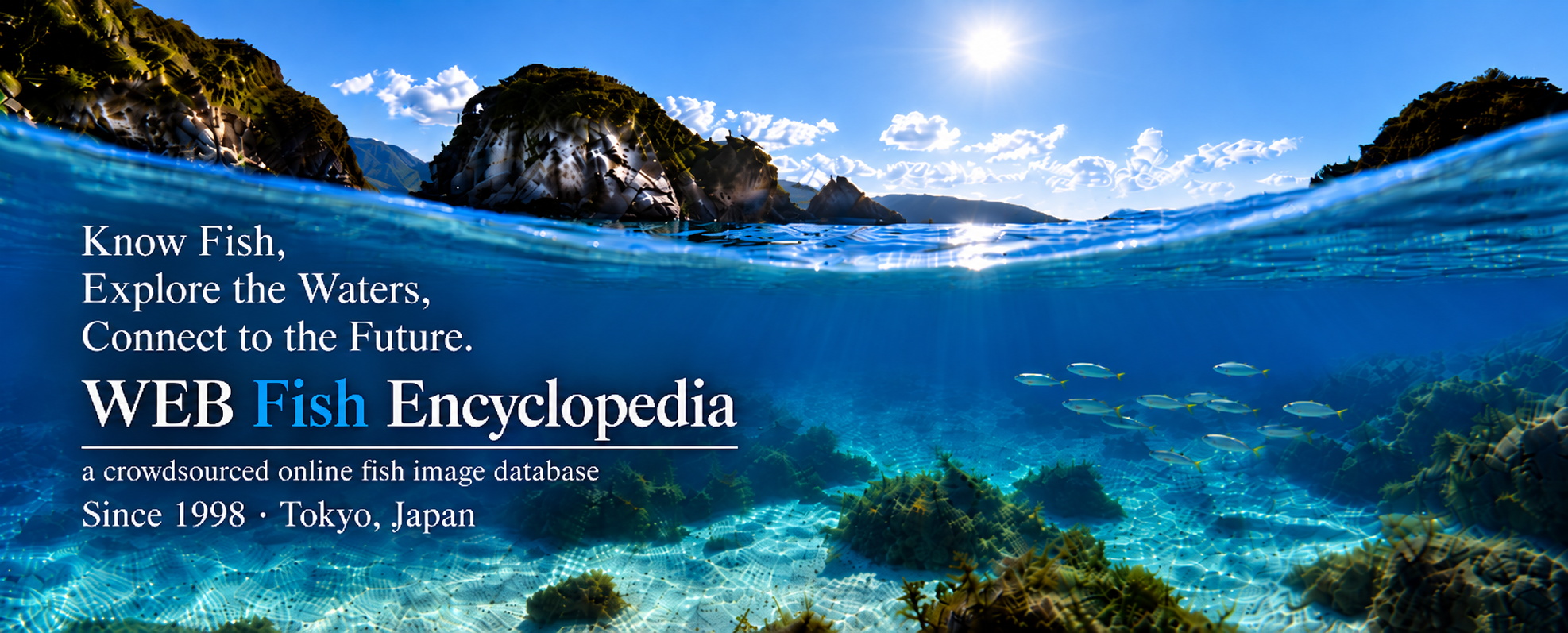
Clownfish among anemones with the words: Know Fish, Explore the Waters, Connect to the Future. WEB Fish Encyclopedia, a crowdsourced online fish image database. Since 1998 · Tokyo, Japan.
A new chapter as a nonprofit

WEB Fish Encyclopedia
is now a nonprofit.

Built through the contributions and support of many people, WEB Fish Encyclopedia has also become a resource for fish research. To keep it open and sustainable, we became a nonprofit organization registered in Tokyo in December 2025. We look forward to continuing this work with you.

4,160+Fish species
67,700+Records
2,748Contributors
Oct 1998Founded
Explore the encyclopedia

Start with the fish themselves.

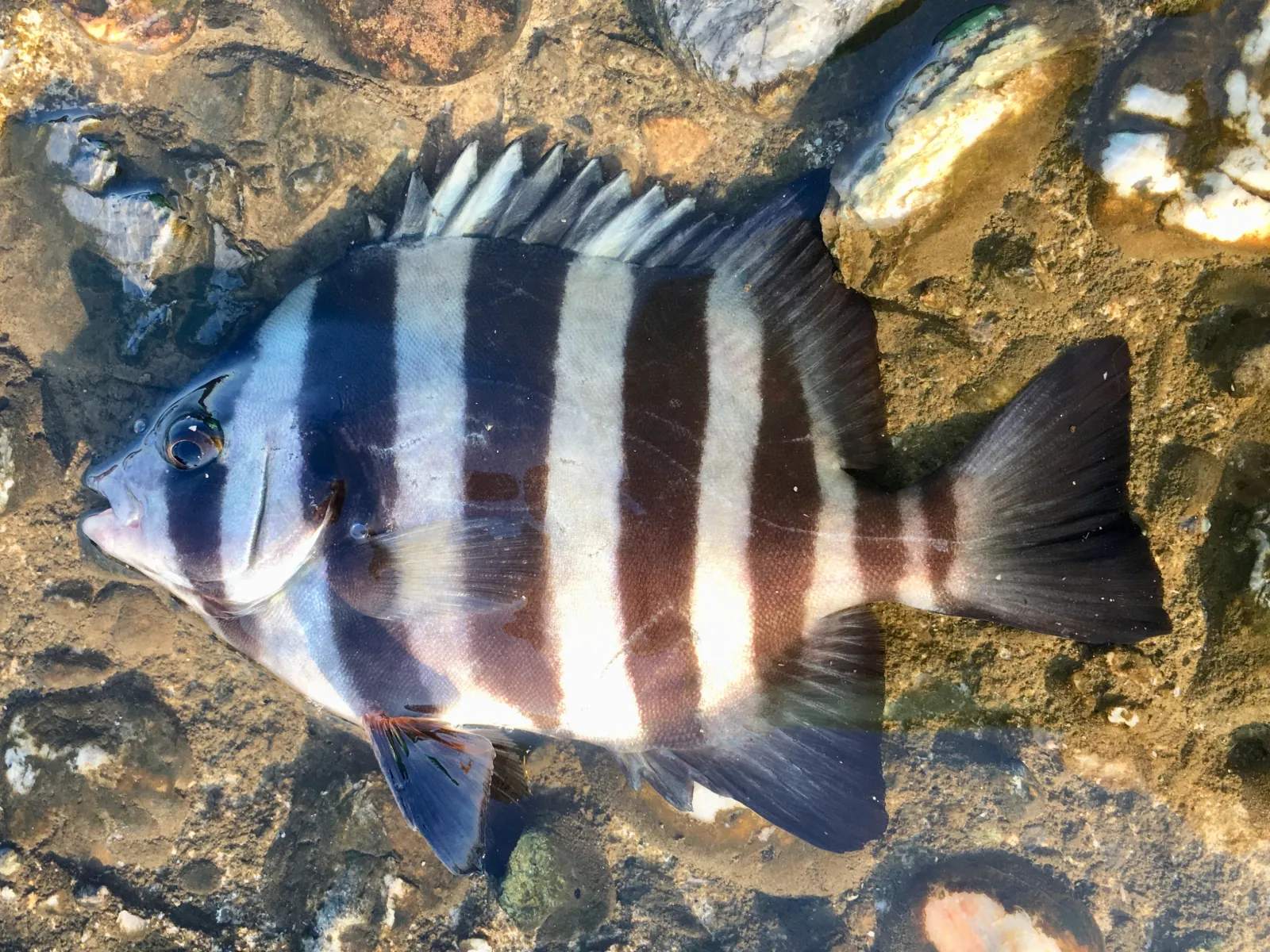
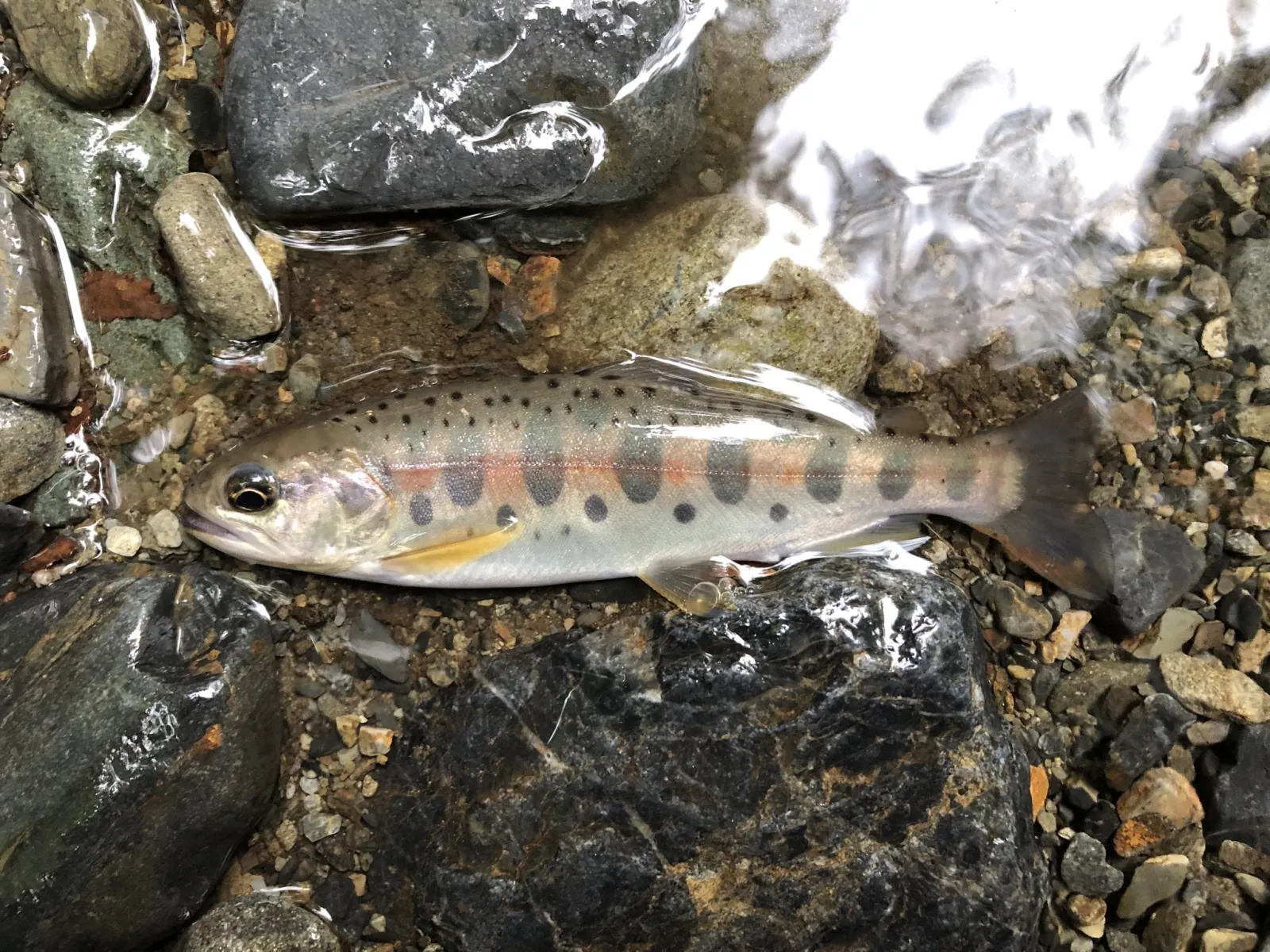
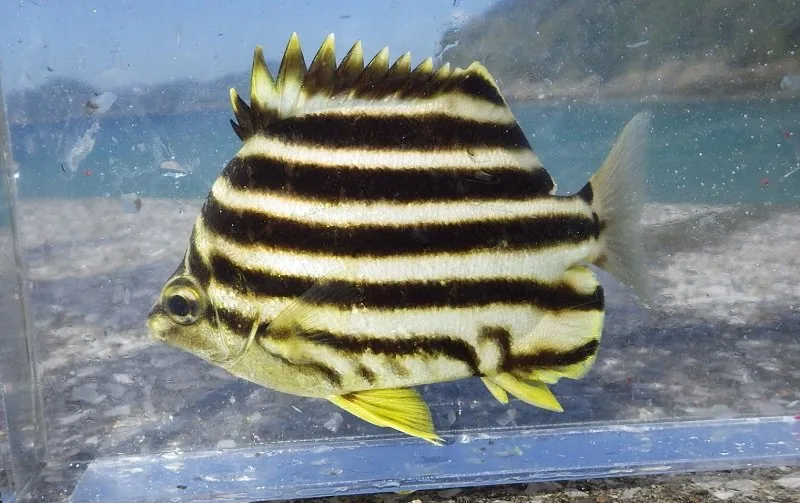
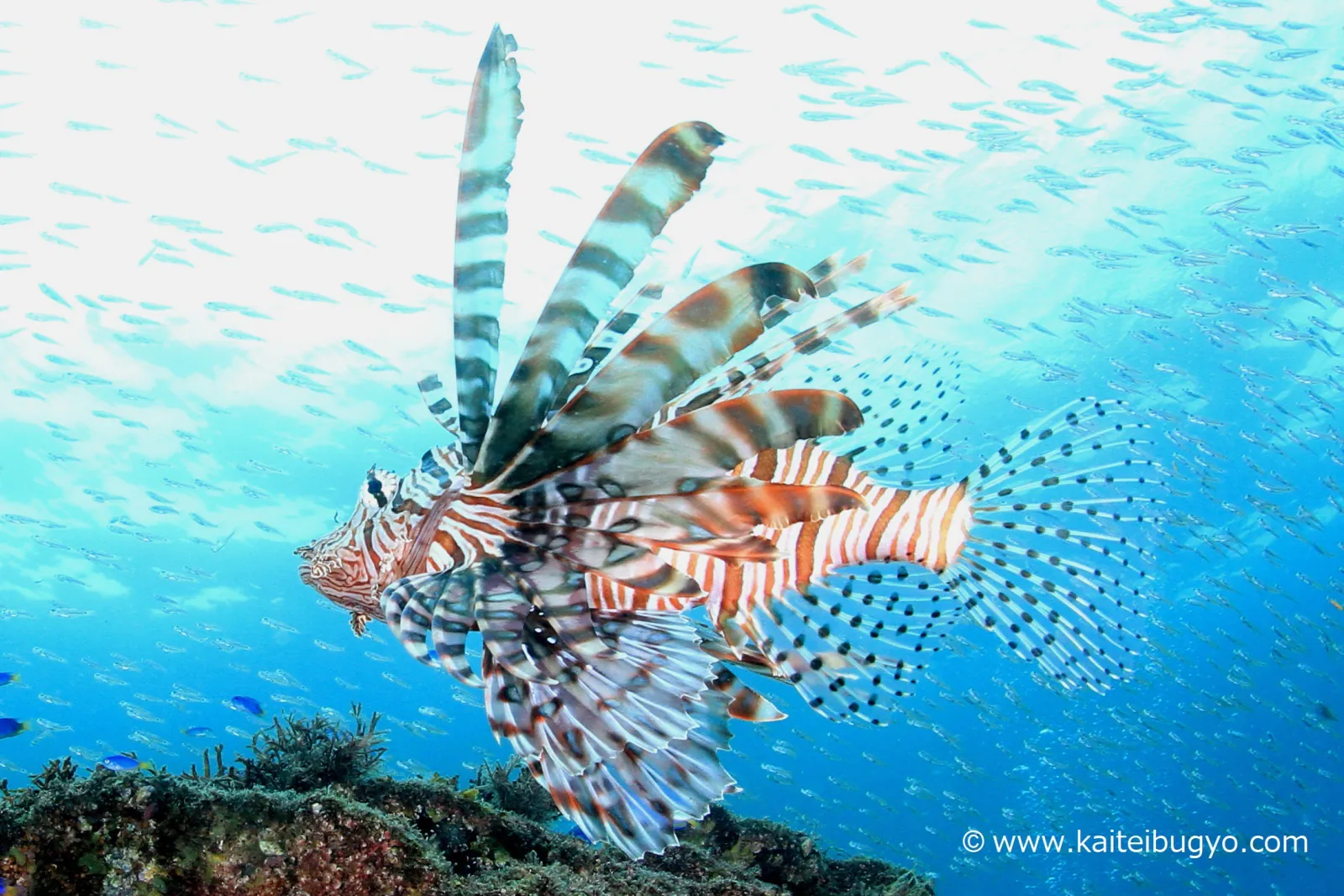
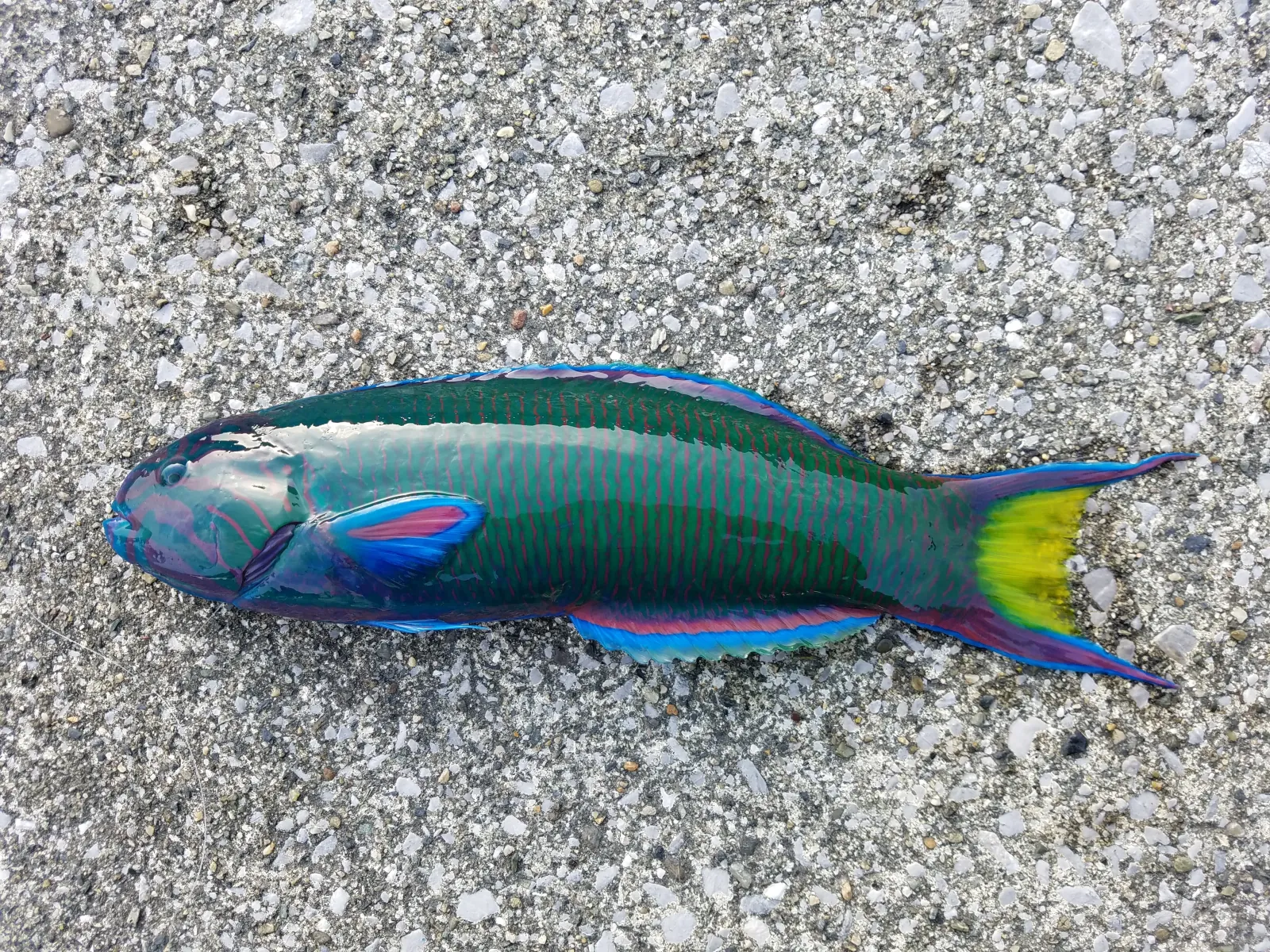
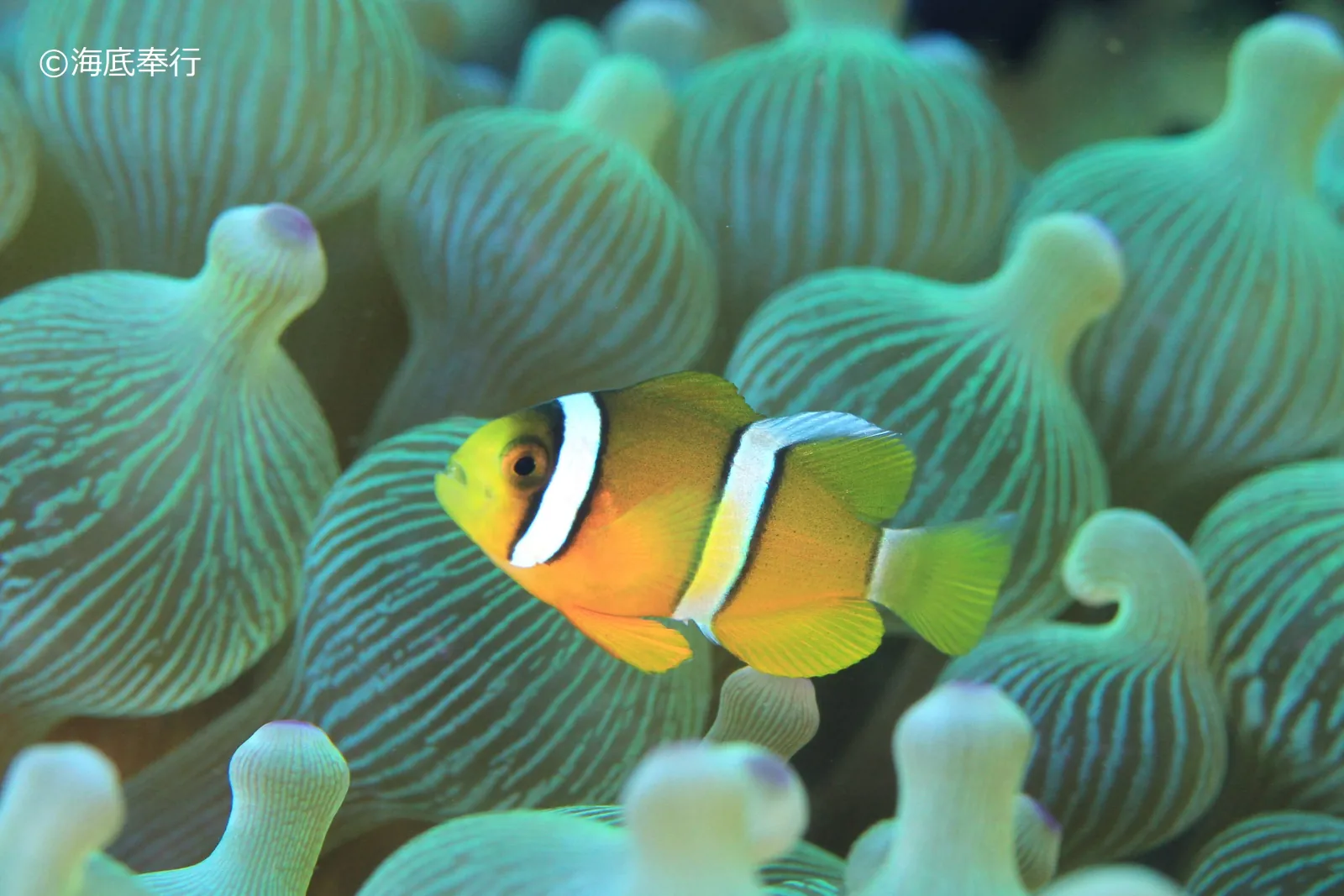
These are photographs submitted to WEB Fish Encyclopedia. Select a fish to open its original photo post.

All six photographs are WEB Fish Encyclopedia submissions. The linked photo posts are in Japanese.

About

Daily submissions and identifications have grown into an encyclopedia of more than 67,000 records.

WEB Fish Encyclopedia began in 1998 as an early community-contributed online fish encyclopedia. For more than 27 years, anglers, divers, researchers, and others interested in fish have added photos and knowledge. Contributors submit observations, people identify them, and a dedicated system preserves the results.

In recent years, falling advertising revenue and rising development costs have made it difficult even for large media sites to operate without prominent ads. Zukan.com, Inc., which provides the system behind WEB Fish Encyclopedia, has also faced difficulties improving and developing it.

We formed a nonprofit organization to preserve the encyclopedia's more than 67,000 fish photos and records for the long term. We will continue working with the community to make it more useful and engaging.

Anyone can contribute a record. Once identified, it can become shared knowledge. Anyone can browse the encyclopedia, too; we continue to improve it for everyone from specialists to children.

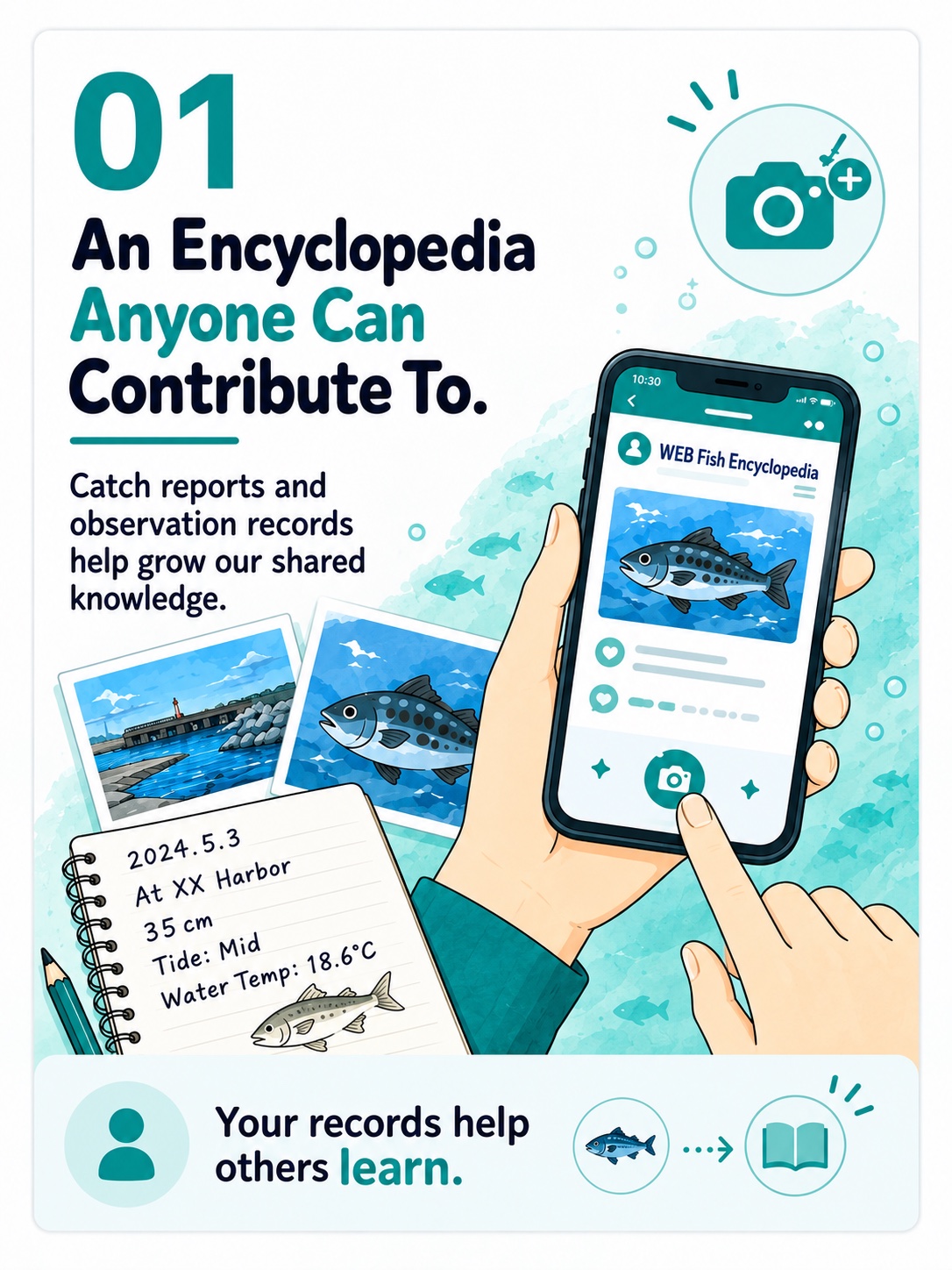
  • Illustration of someone adding a fish observation by phone. Anyone can contribute catch reports and observation records that help others learn.
    An encyclopedia anyone can contribute to.Catch reports and observation records help grow our shared knowledge.
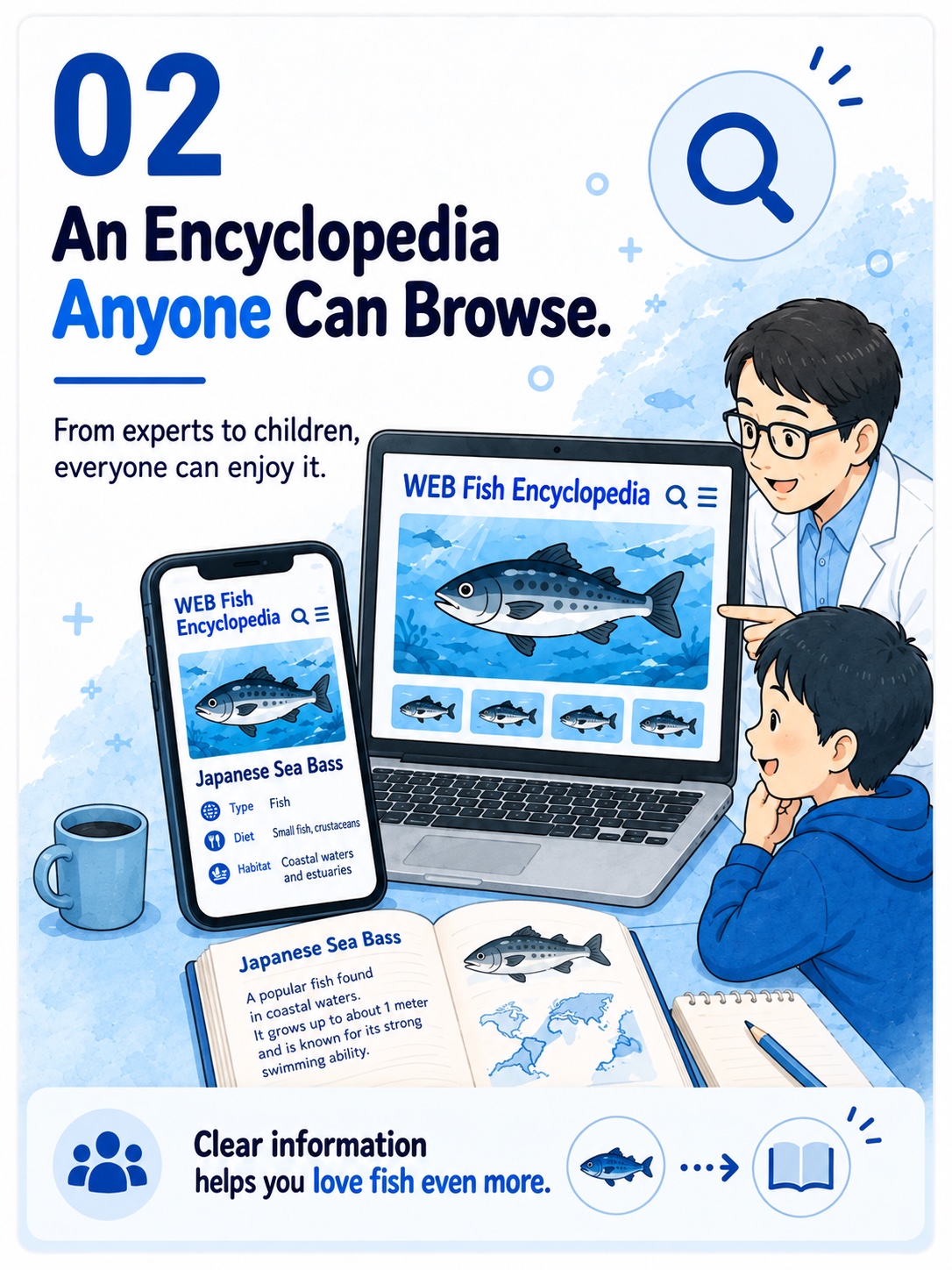
  • Illustration of an adult and child browsing fish records on a laptop and phone. Clear information helps everyone learn about fish.
    An encyclopedia anyone can browse.We keep improving it for everyone, from specialists to children.
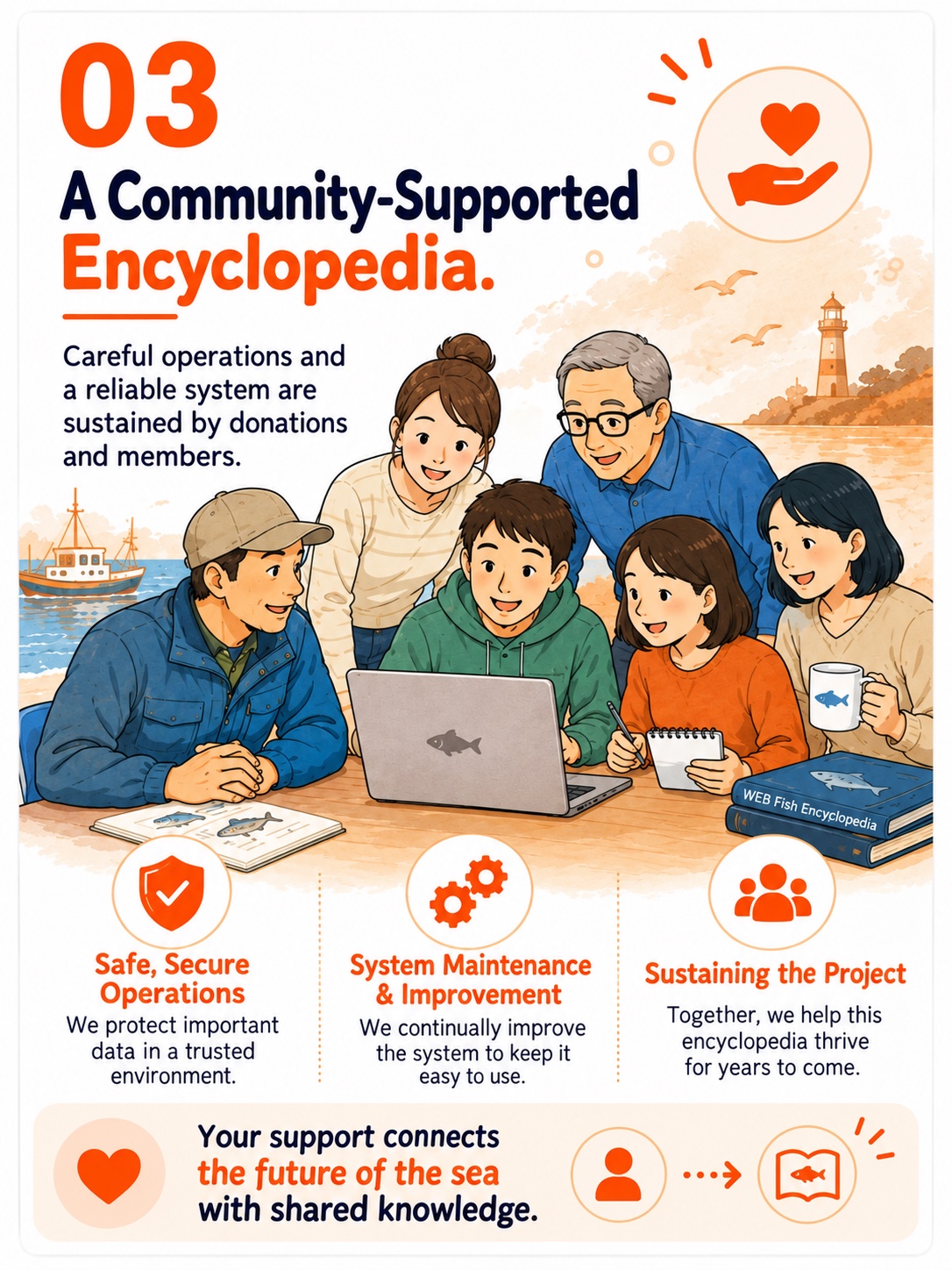
  • Illustration of a group gathered around a laptop. Donations and members sustain operations, system maintenance, and improvements to the encyclopedia.
    An encyclopedia supported by its community.Donations and members sustain careful operations and a reliable system.
What we do

Identifying fish turns photographs into research material.

A photograph becomes useful as a record only when the fish is correctly identified. More than 67,000 records have been identified one by one by people and stored in the encyclopedia.

Answering a single question can mean more than an hour of checking references, or asking a specialist for help. This careful work has built a rare resource for fish research.

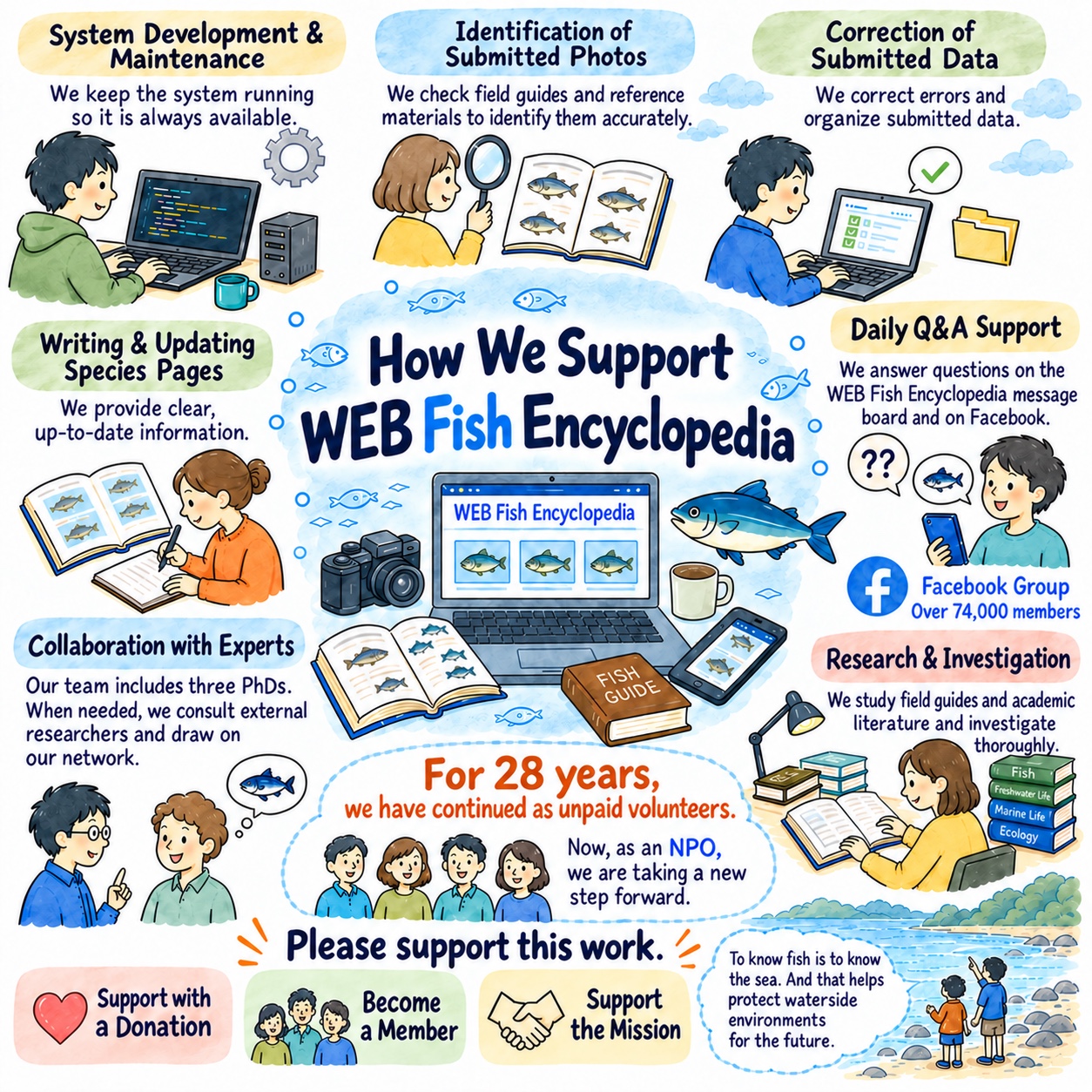
Infographic showing the volunteer work behind WEB Fish Encyclopedia, including fish identification, data correction, research, and answering questions
Field activities

Observing and collecting fish together deepens knowledge and connections.

Alongside the online encyclopedia, staff and members collect and observe fish and prepare specimens. Work sometimes runs late into the night, so meals are usually cooked together. Preparing food with fish collected on site is part of the experience.

Collecting fish in a river
01  ·  FIELD WORK

Observe in the field

We observe and collect fish and record their surroundings. Firsthand observations can sometimes lead to discoveries of new or undescribed species.

Examining a fish specimen
02  ·  SPECIMENS

Prepare specimens

Collected fish may be preserved as specimens. We sometimes examine their form and features under a microscope to identify and document them.

Members gathered for a group photo
03  ·  COMMUNITY

Meet and learn together

Meetups range from specialist gatherings to fishing trips. Unusual finds, of course, belong in the encyclopedia.

Community voices

People tell us how they use the encyclopedia.

Anglers, divers, researchers, contributors, and staff use WEB Fish Encyclopedia in their activities and learning. The following are translated excerpts from messages originally submitted in Japanese.

Staff memberKumamoto

Supported by WEB Fish Encyclopedia

Fuki Osawa

I became interested in fish as a child and began studying local species in junior high school. I found WEB Fish Encyclopedia when I still knew very little. With the support of the staff, I continued my research and received a top award for a poster presentation at Kyushu University last year. I now help run the encyclopedia and am deeply grateful for this connection.

ContributorHyogo

A place to learn about fish

PRINCE

While teaching at a university in Samoa through JICA, I took many underwater photographs at a snorkeling site. I found WEB Fish Encyclopedia while trying to identify those fish. I have since learned a great deal from researchers and more experienced members.

ContributorKumamoto

The encyclopedia I turn to first

くろつら

For about 20 years I have collected fish otoliths and sea bream bones. When I find a species I cannot identify, WEB Fish Encyclopedia is my first stop. I have received help with many identifications, and I upload photos both in thanks and to help others.

DiverKagoshima

A valuable resource in the field

SEADRERAMOKIEARBU SHIN

WEB Fish Encyclopedia is essential to my work. I post photos when I encounter a rare fish or a scene characteristic of Okinoerabu Island. I also use it to avoid confusing similar species. Information gathered online from many regions can make the encyclopedia more accurate.

AnglerHyogo

Learning fish names and ecology

KAZUHIKO INOUE

I have loved fishing for nearly 80 years, since kindergarten. The encyclopedia is indispensable when identifying a catch. Its users include experts and amateurs from many regions; learning their different views adds to the pleasure of understanding fish.

ContributorOkayama

A reassuring companion for fishing

ももなつ

One of my favorite parts of fishing is encountering a species new to me. When I post a question about a catch that seems unusual, specialists explain the features used to identify it. I am grateful to the staff who maintain the system.

ContributorAichi

Growing together

KENICHI HATO

Since its founding in 1998, people who love fish have helped build WEB Fish Encyclopedia. It is an important place for me. There is a special excitement in knowing that one of my own posts may help someone discover something and become part of the encyclopedia.

AnglerKochi

Thank you

おぐら

I love catching, watching, and eating fish. This is a place where I can comfortably ask what an unfamiliar fish is, including whether it might be poisonous.

AnglerOsaka

Identifying unfamiliar fish

たけさん

I know a fair number of fish, but sometimes I catch one I have never seen before. That is when WEB Fish Encyclopedia comes in handy.

AnglerOsaka

Cheering you on

えーじ

Whenever I catch a rare fish, I check the site. I appreciate how much information is available.

AnglerNiigata

Grateful

CHIAKI NAGOYA

This site has taught me a great deal about how to identify and look at fish. I am very grateful.

StudentKamakura

I enjoy browsing the site

いらごだい

I enjoy looking at the site on a school computer. I would love to join a meetup if there is one.

Future goals

What we hope to work on next.

These goals depend on the everyday work of identifying fish and maintaining and improving the system.

  • 01An AI identification app for underutilized fish
  • 02Collaboration with Umi no Market
  • 03More advanced sorting features
  • 04More species descriptions
  • 05A WEB Fish Encyclopedia for children
Related papers

Citations in research

Data from WEB Fish Encyclopedia have been used in basic fish research. Papers also discuss the potential of online community activity for fish research and citizen science.

History
  1. 1998
    A fish identification Q&A community formed on Palette, an image bulletin board provided by Nifty-Serve. Its accumulated knowledge became the first hand-coded HTML version of WEB Fish Encyclopedia.
  2. 2001
    A dedicated CGI encyclopedia system was introduced. With more than 300 species registered, maintaining the site by hand had become difficult. The linked community, Sakana BBS, also began.
  3. 2012
    The platform was renewed. Account management and submission features were added. “Development of Zukan, an image-aggregation web service,” led by 直江憲一, was selected for IPA's Exploratory IT Human Resources Project.
  4. 2013
    Zukan.com, Inc. was established. Building on the encyclopedia's system, it began offering a general service for creating online encyclopedias on subjects beyond fish.
  5. 2014
    The service gained recognition. Zukan.com, Inc. was selected for KDDI's ∞ Labo incubation program and received its Audience Award and Global Create Award.
  6. 2025.12
    WEB Fish Encyclopedia became a nonprofit organization. The community-run encyclopedia on the Zukan.com service was incorporated as a nonprofit organization in Tokyo.

Operating staff

  • Junichiro Yamaide — President
  • Yusuke Miyazaki — Vice President / Ph.D. in Agriculture
  • Atsunobu Murase — Director / Ph.D. in Marine Science
  • Yukiya Ogata — Director / Ph.D. in Marine Science
  • Takashi Nishino — Director
  • Osamu Ogata — Auditor
  • Yuma Kuroda
  • Ryota Hasegawa — Ph.D. in Environmental Science
  • Koji Toki
  • Tatsuya Sakamoto
  • Fuki Osawa
  • Masaaki Shimohara
  • Ren Horiuchi
  • Tomoro Hirotsu